See It in Action
A modern, intuitive interface for professional Modbus testing and simulation.
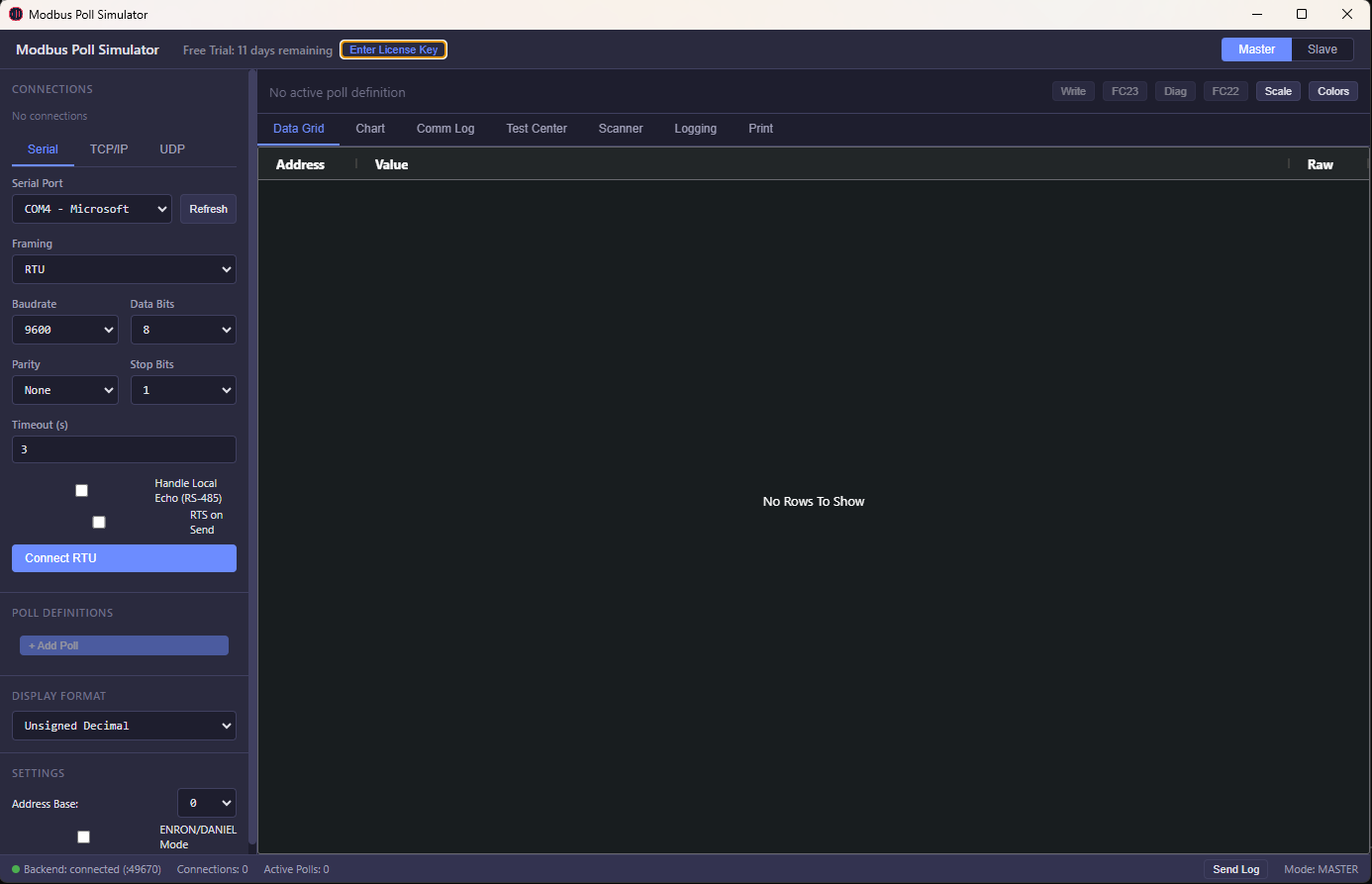
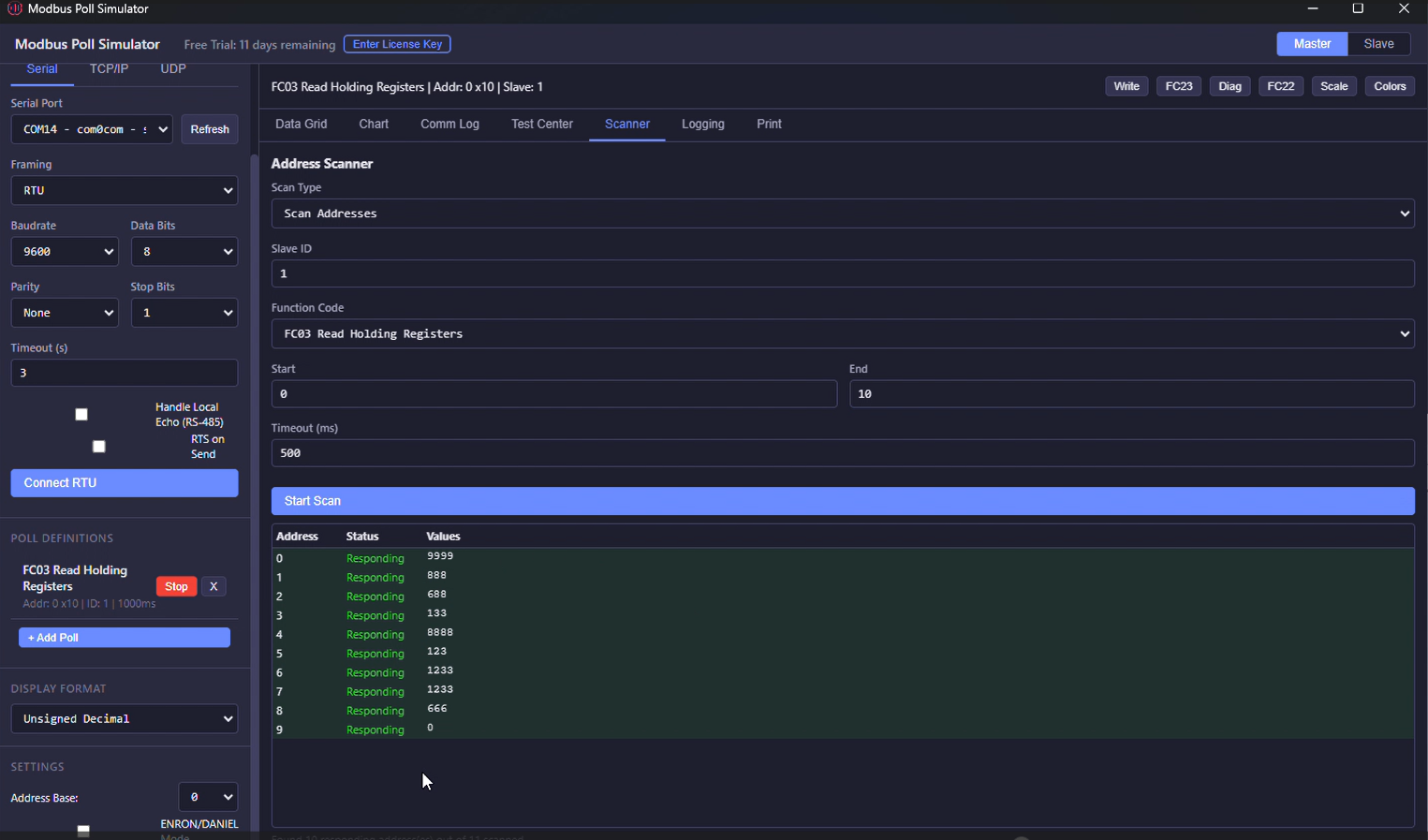 Address Scanner
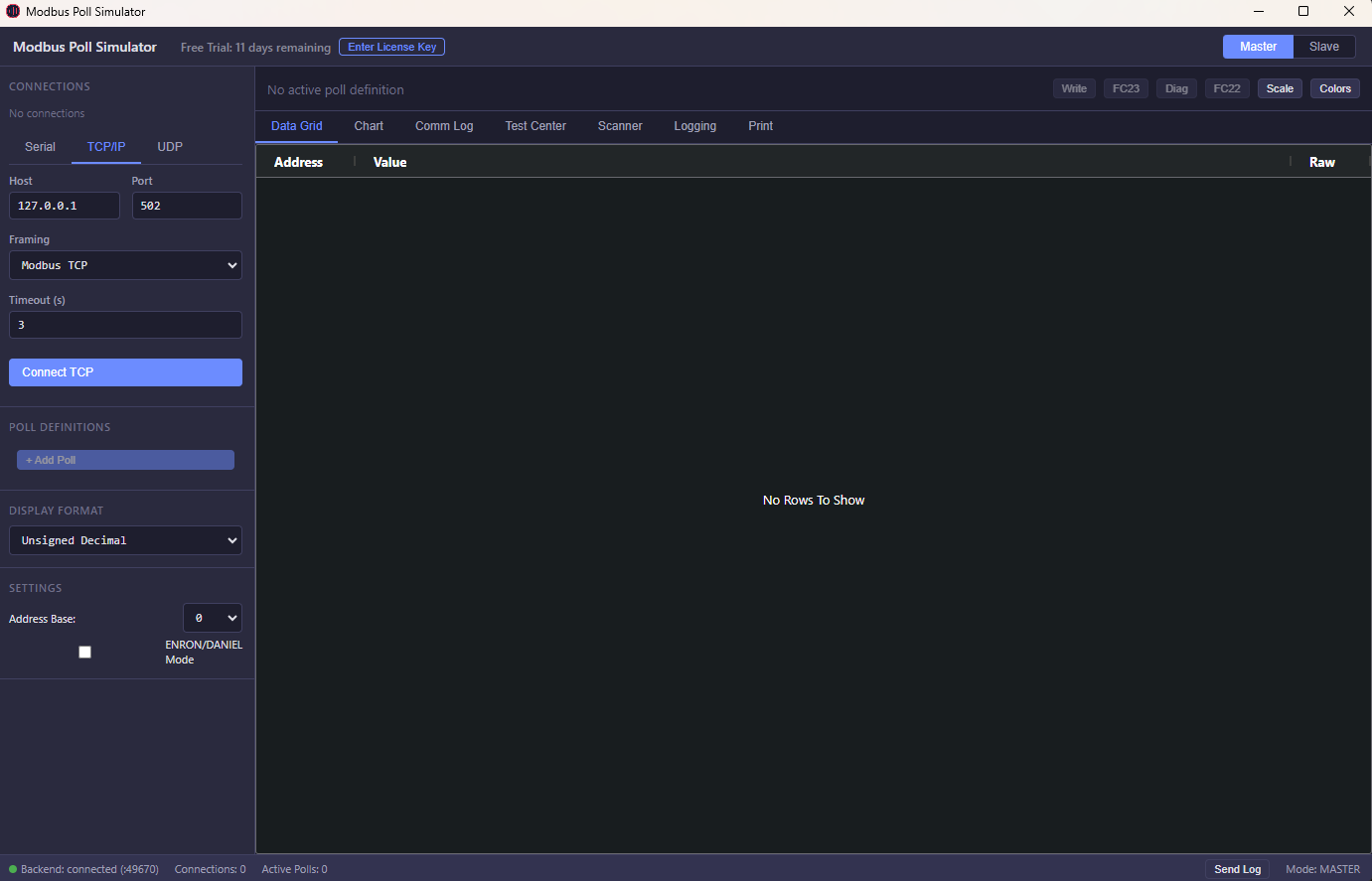 Live Charts
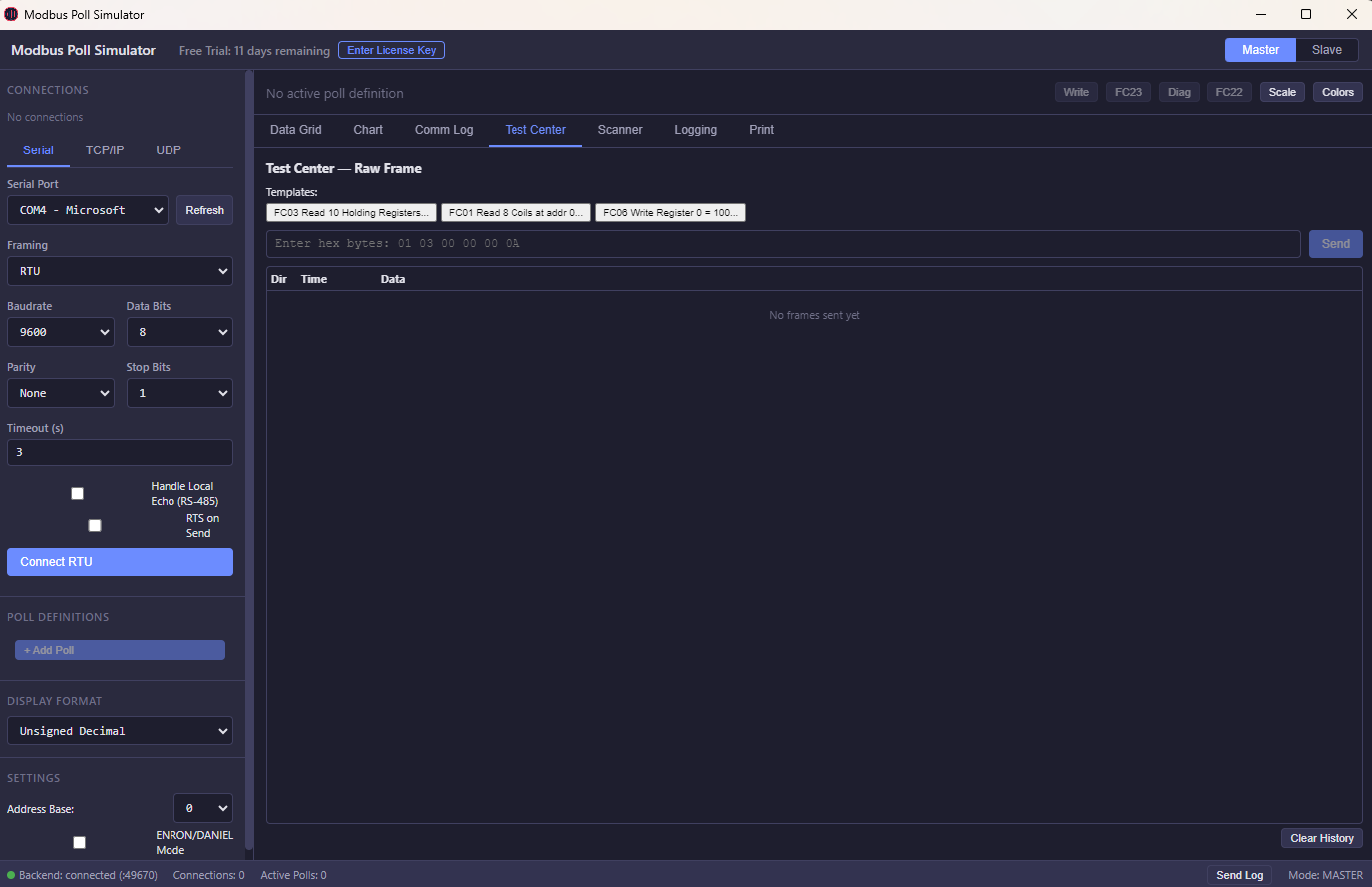 Connection Setup
Test, debug, and simulate Modbus devices without physical hardware. Live data monitoring, fault simulation, and real-time register testing. Master + Slave modes included — no subscriptions, no separate purchases.
Windows 10/11 · 64-bit · Free 30-day trial · No credit card · Download page →
A modern, intuitive interface for professional Modbus testing and simulation.
Address Scanner
Live Charts
Connection Setup
The phrase "video prohibido de Anita Alvarado full" (translated as "banned full video of Anita Alvarado") evokes a complex interplay of media ethics, privacy rights, and societal judgment. While the name "Anita Alvarado" does not correspond to a widely recognized public figure in current global media, the term can serve as a hypothetical example to explore broader debates around censorship, digital privacy, and the ethical responsibilities of content creators and consumers. This essay examines the potential implications of such a scenario, drawing parallels to real-world media controversies to analyze the tensions between freedom of expression and individual privacy.
The "Anita Alvarado full video" case, while hypothetical, serves as a microcosm of the challenges in the digital age. It demands a balance between the right to informational freedom and the right to privacy. For individuals, this includes advocating for digital literacy and respecting consent. For institutions, it means enforcing stringent content moderation policies and amplifying victims’ voices. Ultimately, society must confront its complicity in circulating banned content and strive for a media landscape that upholds ethical standards without compromising individual dignity. video prohibido de anita alvarado full
Legally, non-consensual content distribution is increasingly criminalized. For example, in the United States, the "Revenge Porn Law" imposes penalties for sharing intimate materials without consent. If "Anita Alvarado" were a real individual, she might benefit from such protections. However, enforcement remains inconsistent, particularly in jurisdictions with weak digital rights frameworks. Societally, the proliferation of banned content often perpetuates victim-blaming, stigmatization, and a culture of voyeurism, normalizing the exploitation of private lives for public consumption. The phrase "video prohibido de Anita Alvarado full"
Wait, the user might be referring to a specific incident. Let me do a quick check. Hmm, there's no prominent figure named Anita Alvarado that I'm aware of with a banned video. Could it be a case of mistaken identity or a fabricated event? Alternatively, maybe it's a fictional example used in media ethics discussions. That could work as an academic exercise. I'll proceed with that approach, assuming it's a hypothetical scenario to explore broader themes. The "Anita Alvarado full video" case, while hypothetical,
The demand for restricted content raises questions about societal complicity. Audiences who seek out such material indirectly support the systems that create it. This parallels the exploitation in true crime media or "doxxing" scandals, where public curiosity drives the circulation of harmful content. Addressing this requires a cultural shift toward empathy, education, and active discouragement of harmful viewing habits.
Need to make sure the essay remains neutral, presents different viewpoints, and doesn't take sides. Conclude with recommendations on how to handle such situations ethically. Alright, let me outline the sections and fill in each part with relevant points and examples.
I should structure the essay with an introduction, body paragraphs discussing the possible scenarios, and a conclusion. Also, address the impact of such videos on individuals and society, perhaps touch on legal and ethical implications. Maybe include a case study example if there's a real-world parallel. Need to ensure the essay is balanced, considering both sides of the argument about freedom of expression versus privacy rights.
Direct pricing. No marketing overhead. No subscriptions. Just great software.
One tool. Both sides of the protocol. Full visibility. Master + Slave included — competitors charge separately.
TCP, UDP, RTU, ASCII, RTU-over-TCP, ASCII-over-TCP, RTU-over-UDP, ASCII-over-UDP. RS-485 RTS toggle and local echo support.
FC01-06, FC08 Diagnostics, FC11 Event Counter, FC15/16 multi-write, FC17 Report Server ID, FC22 Mask Write, FC23 Read/Write, FC43 Device Info.
Real-time line charts with up to 8 simultaneous address traces. Color-coded, auto-scrolling, time-based display.
16-bit signed/unsigned/hex/binary/BCD, 32-bit float (4 byte orders), 64-bit double, 32/64-bit long, and ASCII string.
Log to CSV or XLSX in real-time. Print or export to PDF. REST API for Excel/VBA integration. Full communication logger with TX/RX hex data.
NEW: Raw frame analysis, exception injection, burst/adaptive polling, frame-level diagnostics. PLUS: Test Center, Address Scanner, color rules, scaling/offset, broadcast mode, ENRON/DANIEL addressing.
21+ display formats with 4 byte-order options. Scaling, offset, and conditional color rules.
Pay once. Own forever. No subscriptions. No annual fees. No hidden costs. Both Master & Slave modes included.
Download includes a 30-day free trial. No credit card required.
Windows 10/11 · 64-bit · 118 MB
Windows SmartScreen Warning?
After downloading, Windows may show a "Windows protected your PC" warning. This is normal for new software. To install:
1. Click "More info"
2. Click "Run anyway"
The app is 100% safe — no malware, no adware.