



Slide image

Season Of The Witch Tamil Dubbed Isaimini May 2026

Tired of poor working conditions, low wages and no support? You don't have to go it alone.

Join SGEU Today
Slide image

Season Of The Witch Tamil Dubbed Isaimini May 2026

Reach out for Help.

Learn More
Slide image

Season Of The Witch Tamil Dubbed Isaimini May 2026

Join our team that supports Saskatchewan workers

Apply today
Slide image

Season Of The Witch Tamil Dubbed Isaimini May 2026

Learn More
Slide image

Season Of The Witch Tamil Dubbed Isaimini May 2026

Open to SGEU members, staff, and their dependants

Apply today

News

Season Of The Witch Tamil Dubbed Isaimini

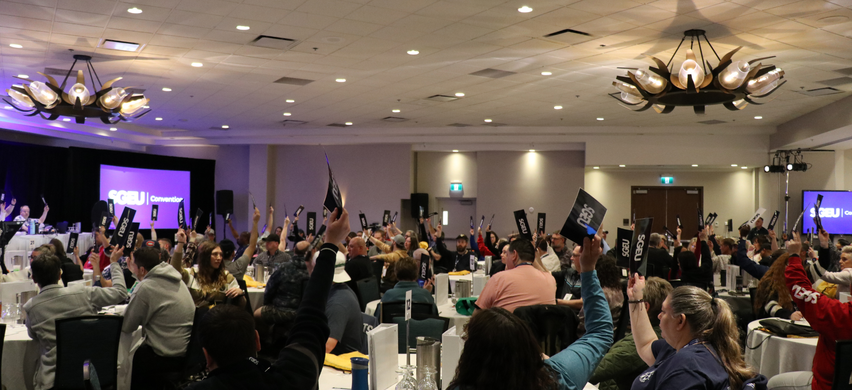
2026 Convention Election Results

Season Of The Witch Tamil Dubbed Isaimini May 2026

In the dim glow of a cracked laptop screen, the familiar chaos of file lists and pop-up ads frames a curious pursuit: finding the Tamil-dubbed copy of Season Of The Witch on Isaimini. It’s a small, modern ritual — a mix of nostalgia for borrowed cinema and the furtive thrill of tracking down a film that has slipped across language, format, and legality like a ghost.

The dubbed version raises questions beyond fidelity. How does translation alter a character’s mythology? When religious dread is reframed through Tamil diction, the film’s themes of faith, contagion, and moral ambiguity acquire new hues. A witch’s curse in one tongue can become a moral parable in another; a soldier’s despair can echo regional histories of heroism and trauma. The Tamil voice acting sometimes smooths rough edges, sometimes sharpens them; either way, it insists on reinterpretation. Season Of The Witch Tamil Dubbed Isaimini

The film itself arrives stripped of its original cadence, its English intonations replaced by Tamil voices that reshape mood and meaning. Where Nicolas Cage’s cadence once rode uneasy between bravado and vulnerability, the Tamil dub offers a different register: local inflections, emotional beats adjusted to regional sensibilities, and an unexpected intimacy in the delivery. The medieval gloom and superstition at the film’s core don’t vanish; they are recast, folded into sounds and phrases that resonate with a different cultural underside. In the dim glow of a cracked laptop

In the end, the Tamil-dubbed Season Of The Witch on Isaimini is a study in translation and modern media rites: a film transformed by language, a platform that complicates access, and a viewing practice that blends desire, ethics, and cultural reclamation. It’s a reminder that stories never remain static—they travel, get dressed in new sounds, and find listeners who will give them different meanings. How does translation alter a character’s mythology

Isaimini appears not simply as a repository but as a mirror of contemporary viewing habits. Its interface—messy, user-driven, and borderline mythic—is where audiences negotiate taste, access, and ethics. A search for the Tamil dub becomes an exercise in folklore: forum comments that speculate on audio quality, threads debating whether dubbing enhances or erases performance, and fans comparing timestamped translations for accuracy. Each download link, each shared seed, is a small act of translation: of language, yes, but also of cultural ownership.

Then there’s the auditory texture. Dubbing can introduce timing mismatches, emotional over-lay, or unexpected cadences that, oddly, can heighten the uncanny. A whispered line that feels evasive in English might sound like an outright accusation in Tamil. The soundtrack—originally designed around English dialogue—interacts with the dub in unpredictable ways, producing moments of dissonance that are, paradoxically, compelling.


Read Article

Events

May 12, 2026
Learning Development

We regret to inform you that this course has been postponed at this time. We apologize for any…

May 14, 2026
Learning Development

We regret to inform you that this course has been postponed at this time. We apologize for any…

May 17, 2026
Recognition Dates

International Day Against Homophobia, Biphobia and Transphobia The International Day Against…

Campaigns

Sign on to Pharmacare

Sign on to Pharmacare

Sign on to Pharmacare is a campaign brought to you by the Saskatchewan Health Coalition. SGEU is a member of the Saskatchewan Health Coalition. The recent introduction of Bill C-64, also known as the Pharmacare Act, is an encouraging first…

Read Article
Speak Up Saskatchewan

Speak Up Saskatchewan

Speak up Saskatchewan is a campaign brought to you by the Saskatchewan Federation of Labour. Regular people keep Saskatchewan moving forward and help our communities thrive.  But, for too long now, Saskatchewan families like yours…

Read Article

Benefits of

Belonging To SGEU

When you join SGEU, you’re not alone. You'll have 20,000 members and professional staff in your corner. We'll work with you and your colleagues to make sure workers are treated fairly and everyone benefits. You’ll be protected, and the whole team’s relationship will improve.

In the dim glow of a cracked laptop screen, the familiar chaos of file lists and pop-up ads frames a curious pursuit: finding the Tamil-dubbed copy of Season Of The Witch on Isaimini. It’s a small, modern ritual — a mix of nostalgia for borrowed cinema and the furtive thrill of tracking down a film that has slipped across language, format, and legality like a ghost.

The dubbed version raises questions beyond fidelity. How does translation alter a character’s mythology? When religious dread is reframed through Tamil diction, the film’s themes of faith, contagion, and moral ambiguity acquire new hues. A witch’s curse in one tongue can become a moral parable in another; a soldier’s despair can echo regional histories of heroism and trauma. The Tamil voice acting sometimes smooths rough edges, sometimes sharpens them; either way, it insists on reinterpretation.

The film itself arrives stripped of its original cadence, its English intonations replaced by Tamil voices that reshape mood and meaning. Where Nicolas Cage’s cadence once rode uneasy between bravado and vulnerability, the Tamil dub offers a different register: local inflections, emotional beats adjusted to regional sensibilities, and an unexpected intimacy in the delivery. The medieval gloom and superstition at the film’s core don’t vanish; they are recast, folded into sounds and phrases that resonate with a different cultural underside.

In the end, the Tamil-dubbed Season Of The Witch on Isaimini is a study in translation and modern media rites: a film transformed by language, a platform that complicates access, and a viewing practice that blends desire, ethics, and cultural reclamation. It’s a reminder that stories never remain static—they travel, get dressed in new sounds, and find listeners who will give them different meanings.

Isaimini appears not simply as a repository but as a mirror of contemporary viewing habits. Its interface—messy, user-driven, and borderline mythic—is where audiences negotiate taste, access, and ethics. A search for the Tamil dub becomes an exercise in folklore: forum comments that speculate on audio quality, threads debating whether dubbing enhances or erases performance, and fans comparing timestamped translations for accuracy. Each download link, each shared seed, is a small act of translation: of language, yes, but also of cultural ownership.

Then there’s the auditory texture. Dubbing can introduce timing mismatches, emotional over-lay, or unexpected cadences that, oddly, can heighten the uncanny. A whispered line that feels evasive in English might sound like an outright accusation in Tamil. The soundtrack—originally designed around English dialogue—interacts with the dub in unpredictable ways, producing moments of dissonance that are, paradoxically, compelling.