







Kino , the Russian word for "cinema," carries with it a rich legacy of revolutionary art. From Eisenstein to Tarkovsky, Russian film has long been a realm of experimentation and political subtext. But what happens when kino goes rogue in the digital underworld? Imagine a collective of archivists— Kino-Kustodi —who resurrect forgotten films from analog film stock, VHS tapes, and obscure digital formats. Their mission: to digitize these fragile works and upload them to platforms like Rapidshare, ensuring their survival against the entropy of time. These films might include avant-garde shorts, propaganda experiments, or uncensored director’s cuts, each a window into a specific cultural moment.
Once a dominant force in file-sharing, Rapidshare now exists as a relic of the early 2000s—a time when bandwidth limits and pop-up ads shaped the digital experience. For the Kino-Kustodi , Rapidshare is not just a storage service but a temporal capsule. Uploading rare films here means embracing impermanence: files degrade, links rot, and the platform itself could vanish again. Yet, this ephemerality mirrors the very fragility of analog cinema. The act of uploading becomes performative—a ritual of defiance against digital oblivion.
Parnaqrafiya + Kino + Rapidshare is a love letter to the spectral. It is a plea to future archivists navigating a world of AI-generated content and blockchain-ledgers to remember the raw, messy humanity of this hybrid practice. The Kino-Kustodi may fade into obscurity, but their work lingers in the whispers of broken links—a ghostly inheritance for those who still care to search.
Check for clarity and ensure that each term is contextualized properly for a general audience unfamiliar with the concepts. Avoid jargon where possible, or explain it when necessary. Also, verify that the historical context of Rapidshare is accurate, noting its rise and decline, and how it's used in niche communities today.
Structure the write-up with sections like "The Lost Art of Farnasography," "Kino Reimagined: Cinema as a Living Archive," and "Rapidshare's Legacy in the Digital Age." Use a tone that's both nostalgic and forward-looking, discussing the challenges and the passion behind preserving rare films.
By treating parnaqrafiya as a methodology, the Kino-Kustodi document their salvage efforts with analog tools: printed QR codes pointing to defunct links, Polaroids of decaying film reels, and handwritten metadata etched onto acetate. Rapidshare hosts the digital twins, while physical artifacts are stored in makeshift archives—abandoned libraries, subway tunnels, or even the trunks of old trees. This hybrid archive resists the logic of centralized databases, instead thriving in the liminal space between permanence and decay.
First, "parnaqrafiya" doesn't ring a bell. Maybe it's a typo or a term from another language? Let me check. Hmm, could it be a misspelling of "farnasography"? Farnasography actually refers to the study or photography of rare or obscure things. If that's the case, maybe the user intended that. Alternatively, it might be a transliteration from another language. I'll proceed with the assumption it's a typo for "farnasography."
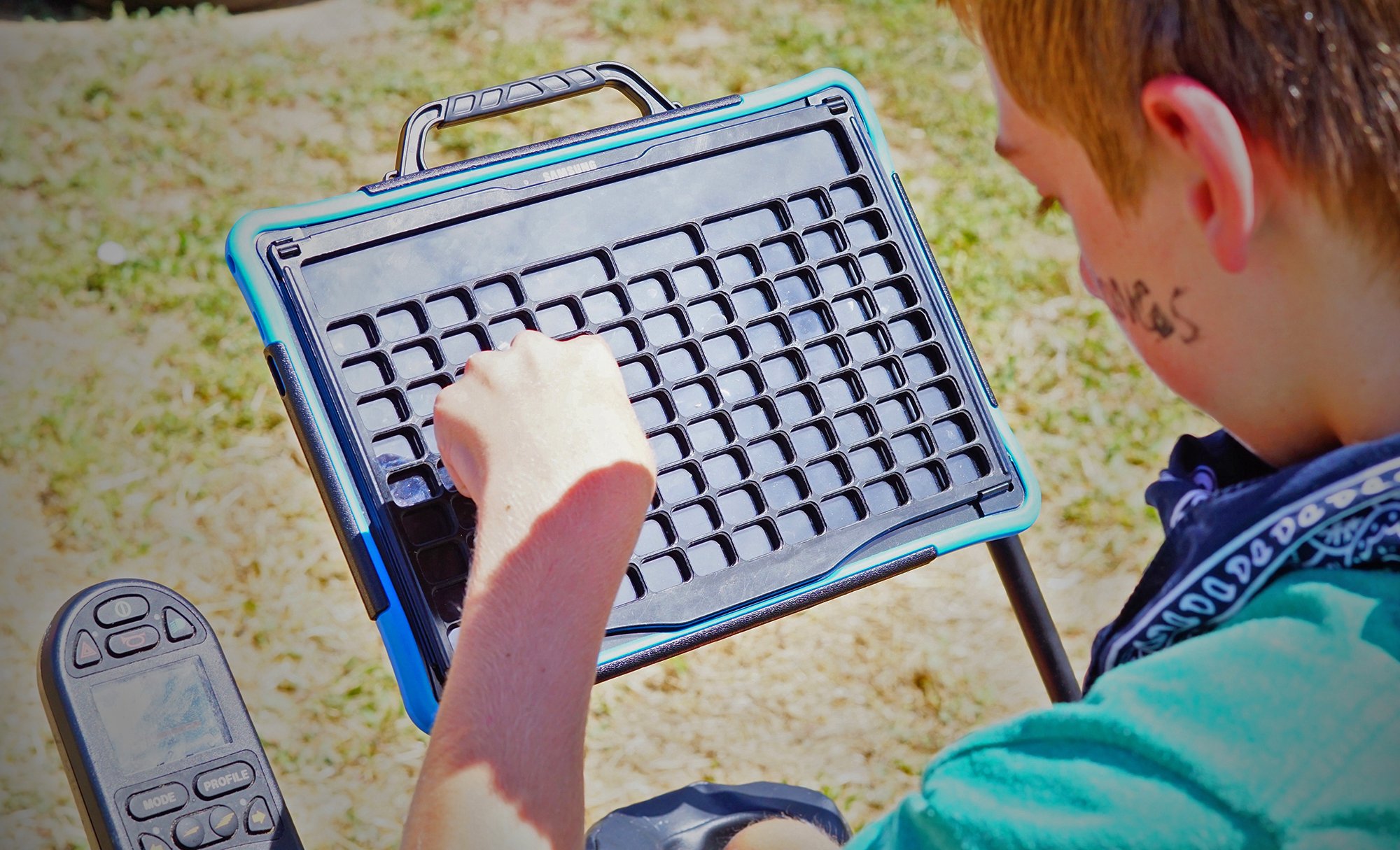
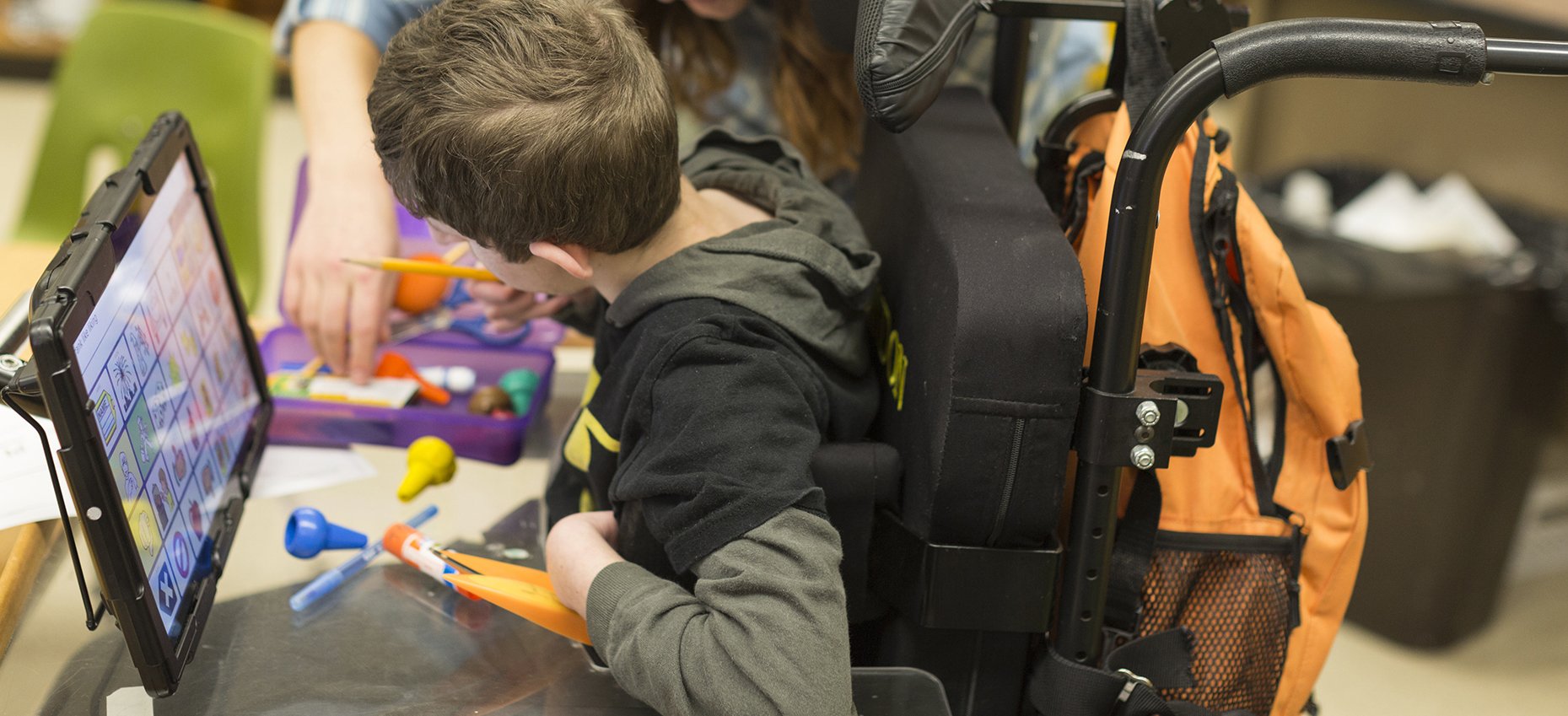
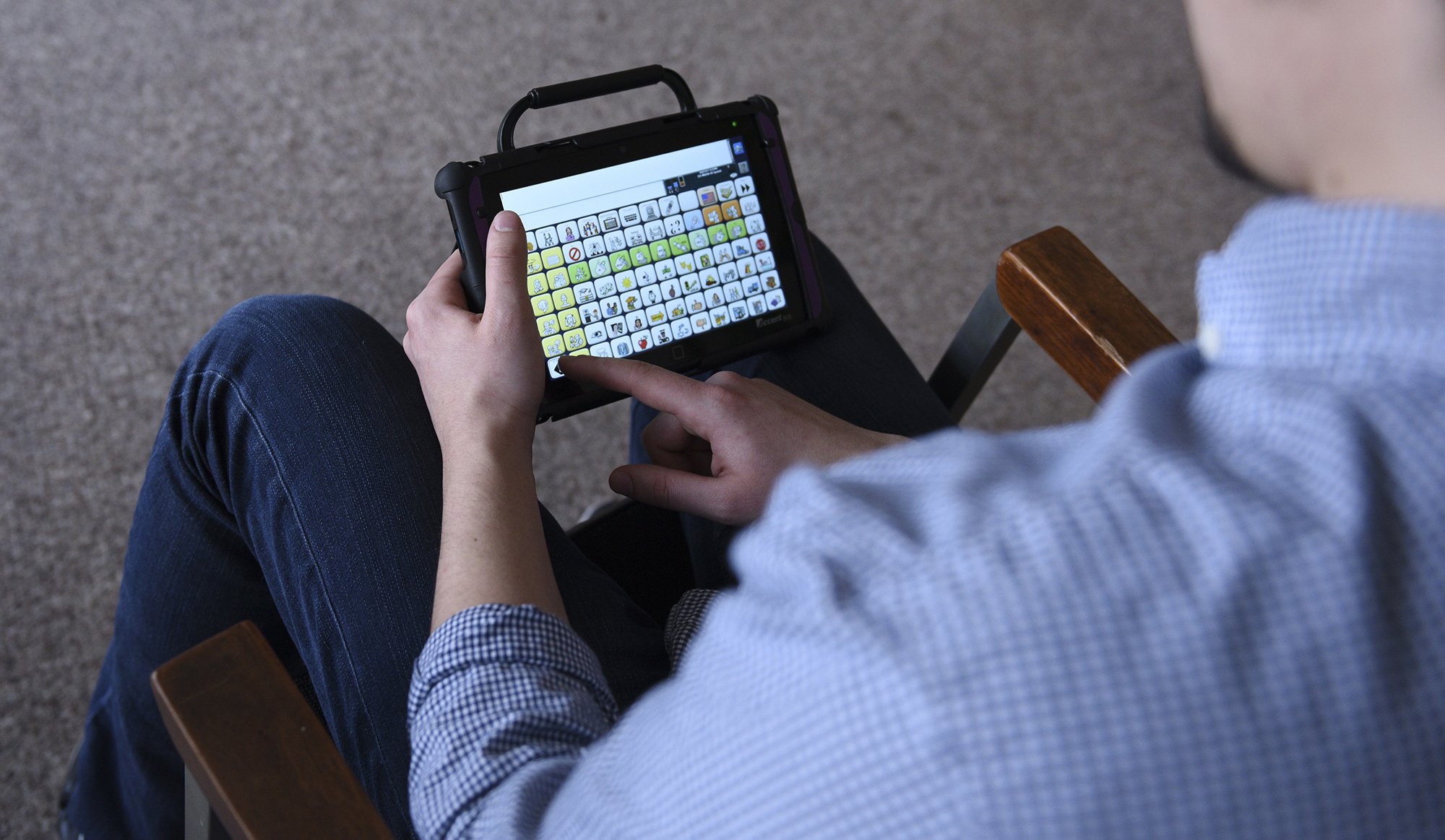
The AAC Language Lab offers real-life solutions in support of language development. Explore language stages and interactive materials designed for Speech Language Pathologists (SLPs), Educators and Parents. An annual subscription provides full access to all materials including guided lesson plans, an activities section, a language screener, implementation tips and more.
With over 50 years of experience in augmentative and alternative communication (AAC) PRC-Saltillo is pleased to offer this unique online resource.
We have made our service even better with all the new features and a lower price. For just $19.95 a year, you will have access to all of these valuable resources.
Kino , the Russian word for "cinema," carries with it a rich legacy of revolutionary art. From Eisenstein to Tarkovsky, Russian film has long been a realm of experimentation and political subtext. But what happens when kino goes rogue in the digital underworld? Imagine a collective of archivists— Kino-Kustodi —who resurrect forgotten films from analog film stock, VHS tapes, and obscure digital formats. Their mission: to digitize these fragile works and upload them to platforms like Rapidshare, ensuring their survival against the entropy of time. These films might include avant-garde shorts, propaganda experiments, or uncensored director’s cuts, each a window into a specific cultural moment.
Once a dominant force in file-sharing, Rapidshare now exists as a relic of the early 2000s—a time when bandwidth limits and pop-up ads shaped the digital experience. For the Kino-Kustodi , Rapidshare is not just a storage service but a temporal capsule. Uploading rare films here means embracing impermanence: files degrade, links rot, and the platform itself could vanish again. Yet, this ephemerality mirrors the very fragility of analog cinema. The act of uploading becomes performative—a ritual of defiance against digital oblivion. Kino , the Russian word for "cinema," carries
Parnaqrafiya + Kino + Rapidshare is a love letter to the spectral. It is a plea to future archivists navigating a world of AI-generated content and blockchain-ledgers to remember the raw, messy humanity of this hybrid practice. The Kino-Kustodi may fade into obscurity, but their work lingers in the whispers of broken links—a ghostly inheritance for those who still care to search.
Check for clarity and ensure that each term is contextualized properly for a general audience unfamiliar with the concepts. Avoid jargon where possible, or explain it when necessary. Also, verify that the historical context of Rapidshare is accurate, noting its rise and decline, and how it's used in niche communities today.
Structure the write-up with sections like "The Lost Art of Farnasography," "Kino Reimagined: Cinema as a Living Archive," and "Rapidshare's Legacy in the Digital Age." Use a tone that's both nostalgic and forward-looking, discussing the challenges and the passion behind preserving rare films. Once a dominant force in file-sharing, Rapidshare now
By treating parnaqrafiya as a methodology, the Kino-Kustodi document their salvage efforts with analog tools: printed QR codes pointing to defunct links, Polaroids of decaying film reels, and handwritten metadata etched onto acetate. Rapidshare hosts the digital twins, while physical artifacts are stored in makeshift archives—abandoned libraries, subway tunnels, or even the trunks of old trees. This hybrid archive resists the logic of centralized databases, instead thriving in the liminal space between permanence and decay.
First, "parnaqrafiya" doesn't ring a bell. Maybe it's a typo or a term from another language? Let me check. Hmm, could it be a misspelling of "farnasography"? Farnasography actually refers to the study or photography of rare or obscure things. If that's the case, maybe the user intended that. Alternatively, it might be a transliteration from another language. I'll proceed with the assumption it's a typo for "farnasography."

Students can do a variety of Earth Day related activities.
Stage Four - Add More WordsLearn successful speech strategies with one of our lesson plans

This month we’re exploring how we can send kind, silly, or funny mes...
Stage All - All LevelsGet excited about AAC with activities that make learning fun
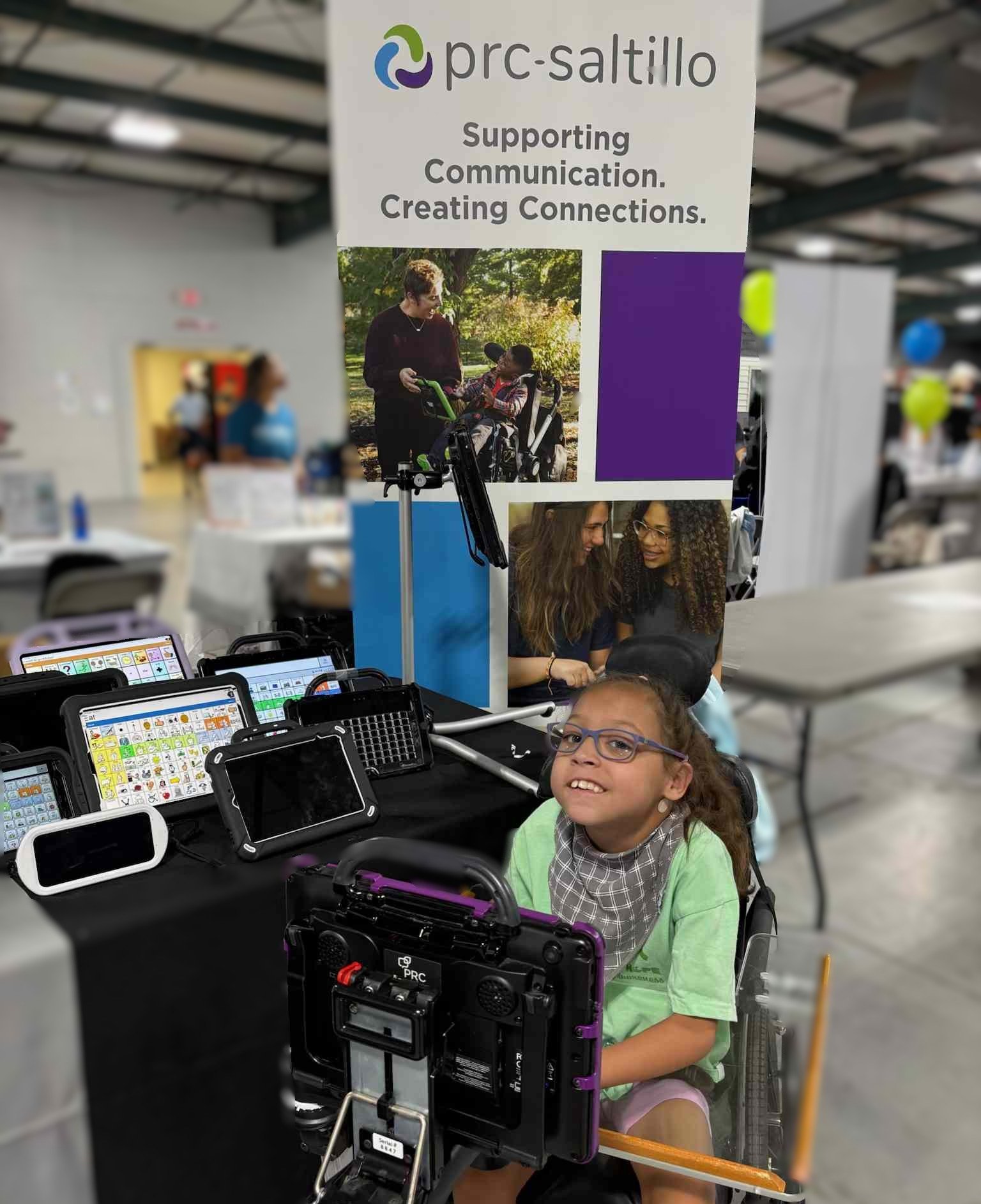
by Naiya Daves, PRC-Saltillo Ambassador This summer I did a 3 w...
Blog Post - Dec 02 2025Read the latest blogs and find out what's going on in the AAC community
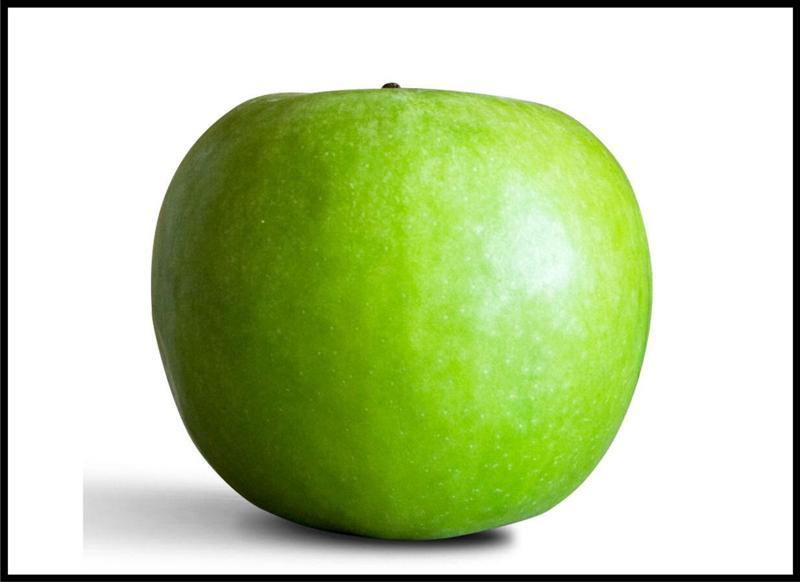
The student will speak using single words.
Stage One - Use Single WordsSee this month's most popular lesson plan
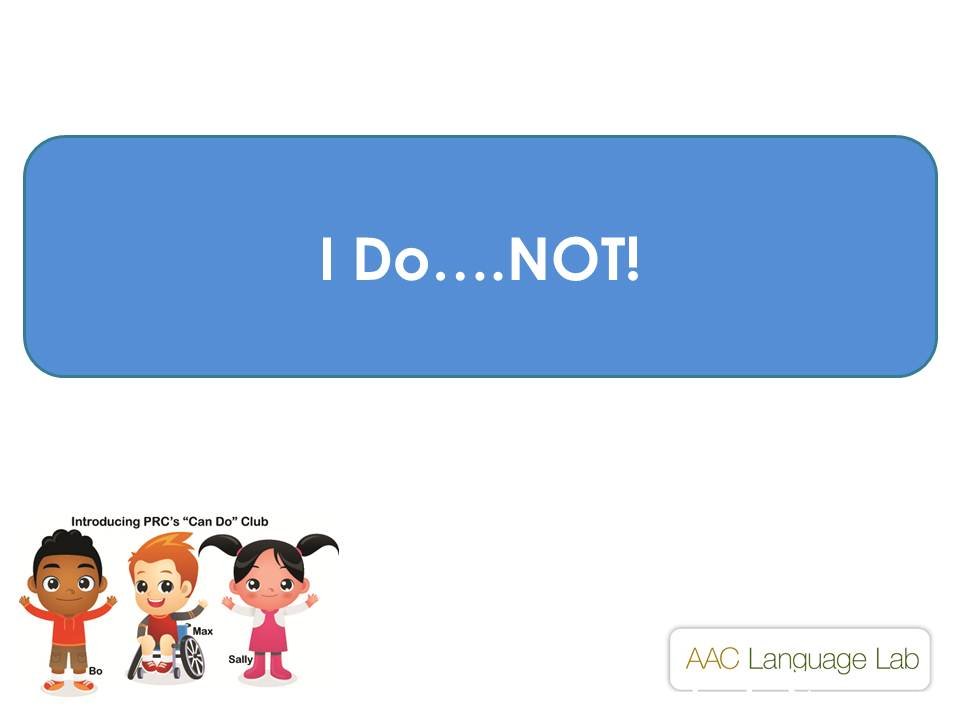
Encourage the student to direct the behavior of others using negatives...
Stage One - Express NegativesSee this month's most popular activity