
8 (800) 500-29-84 Îáðàòíàÿ ñâÿçü
Îáðàòíàÿ ñâÿçü

Îñòàâüòå Âàøå ñîîáùåíèå è êîíòàêòíûå äàííûå è íàøè ñïåöèàëèñòû ñâÿæóòñÿ ñ Âàìè â áëèæàéøåå ðàáî÷åå âðåìÿ äëÿ ðåøåíèÿ Âàøåãî âîïðîñà.

Âàøå èìÿ
Âàøå èìÿ*
Âàøà ïî÷òà
Âàøà ïî÷òà*
Âàø òåëåôîí
Âàø òåëåôîí
Òåìà âîïðîñà
Òåìà âîïðîñà
Âàøå ñîîáùåíèå
Âàøå ñîîáùåíèå*
Çàùèòà îò àâòîìàòè÷åñêîãî çàïîëíåíèÿ
http free updcinyourrcfacebookcom
Ââåäèòå ñèìâîëû ñ êàðòèíêè*

* - Ïîëÿ, îáÿçàòåëüíûå äëÿ çàïîëíåíèÿ

Ñîîáùåíèå îòïðàâëåíî
Âàøå ñîîáùåíèå óñïåøíî îòïðàâëåíî. Â áëèæàéøåå âðåìÿ ñ Âàìè ñâÿæåòñÿ íàø ñïåöèàëèñò
Çàêðûòü îêíî
8 (812) 426-17-53

Http Free Updcinyourrcfacebookcom [hot] -

Wait, the user wrote "free updcinyourrcfacebookcom". Maybe the correct URL is something like "updateyourfacebook.com" but with typos. Scammers often create similar-looking domains. It's important to stress that any official communications from Facebook wouldn't use such URLs.

I need to advise them not to click on the link, as it's likely malicious. Suggest they report the link through Facebook's reporting features or to the appropriate authorities. Also, remind them to check the URL's legitimacy by hovering over it to see the actual URL before clicking. They should also contact Facebook support if they're unsure. http free updcinyourrcfacebookcom

Alternatively, maybe the user is having trouble updating their account on Facebook and found a suspicious link related to that. The "free update" part is common in phishing emails where they ask users to click a link to update their account. Facebook rarely sends such links, so this could be a red flag. Wait, the user wrote "free updcinyourrcfacebookcom"

I should also make sure the user knows that if they did click the link, they might be at risk and should run a malware scan. But since the user hasn't specified that yet, maybe just the reporting and checking steps first. It's important to stress that any official communications
Wait, the user wrote "free updcinyourrcfacebookcom". Maybe the correct URL is something like "updateyourfacebook.com" but with typos. Scammers often create similar-looking domains. It's important to stress that any official communications from Facebook wouldn't use such URLs.

I need to advise them not to click on the link, as it's likely malicious. Suggest they report the link through Facebook's reporting features or to the appropriate authorities. Also, remind them to check the URL's legitimacy by hovering over it to see the actual URL before clicking. They should also contact Facebook support if they're unsure.

Alternatively, maybe the user is having trouble updating their account on Facebook and found a suspicious link related to that. The "free update" part is common in phishing emails where they ask users to click a link to update their account. Facebook rarely sends such links, so this could be a red flag.

I should also make sure the user knows that if they did click the link, they might be at risk and should run a malware scan. But since the user hasn't specified that yet, maybe just the reporting and checking steps first.

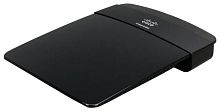
Ìàðøðóòèçàòîð Linksys, E1200-EE
Íàøëè äåøåâëå

Âàøå èìÿ
Êîíòàêòíûé òåëåôîí*
Ýëåêòðîííàÿ ïî÷òà
Íàçâàíèå òîâàðà*

* - Ïîëÿ, îáÿçàòåëüíûå äëÿ çàïîëíåíèÿ

Ñîîáùåíèå îòïðàâëåíî
Âàøå ñîîáùåíèå óñïåøíî îòïðàâëåíî. Â áëèæàéøåå âðåìÿ ñ Âàìè ñâÿæåòñÿ íàø ñïåöèàëèñò
Çàêðûòü îêíî
Êóïèòü â îäèí êëèê
http free updcinyourrcfacebookcom
Çàïîëíèòå äàííûå äëÿ çàêàçà
Çàïðîñèòü ñòîèìîñòü òîâàðà
Çàïîëíèòå äàííûå äëÿ çàïðîñà öåíû
Çàïðîñèòü öåíó Çàïðîñèòü öåíó